
Is Tallow Good for Acne? The Truth Explained
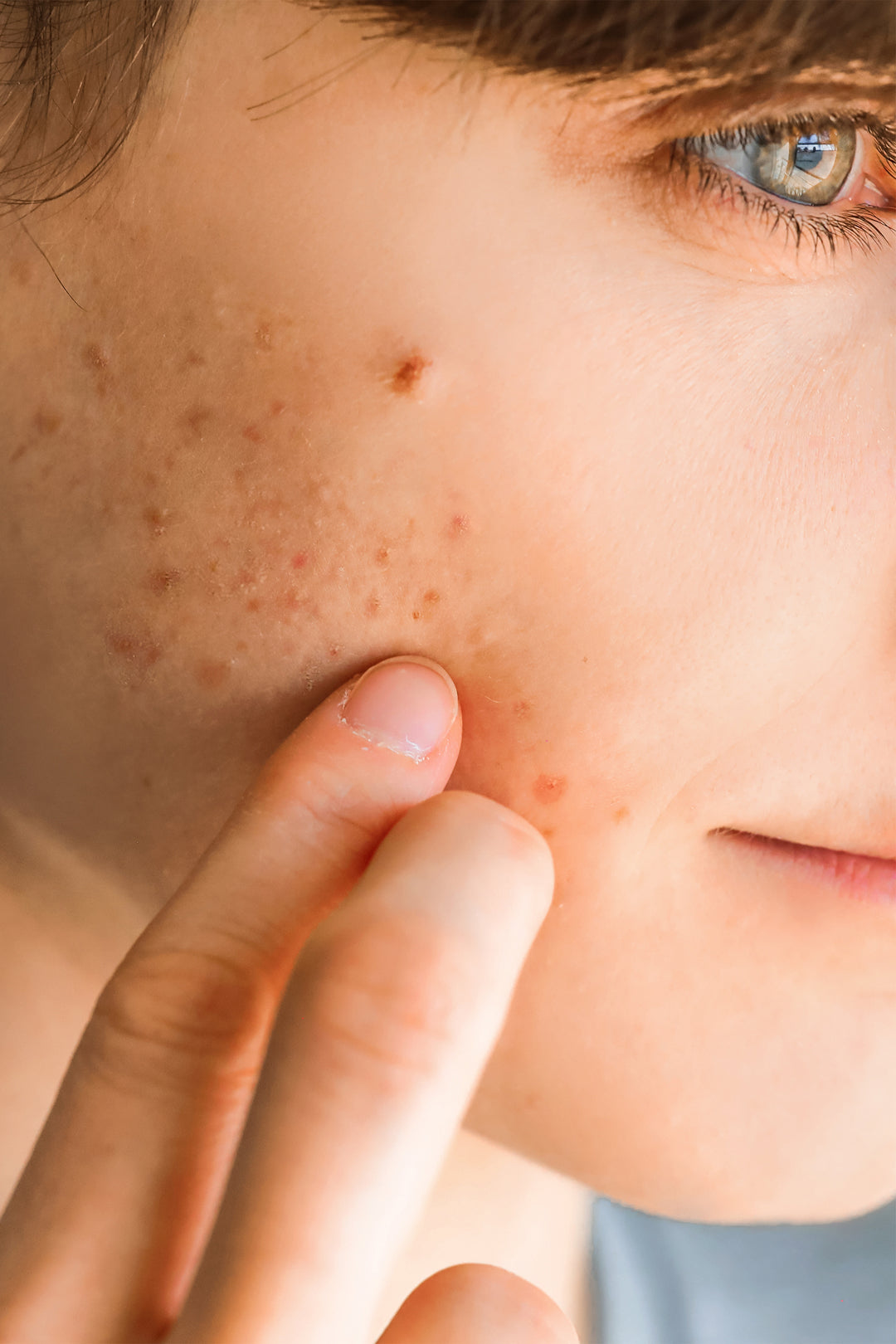
One big misconception about tallow is that it clogs pores.
But when tallow is so structurally compatible with our skin’s natural sebum, how did this rumour arise?
The confusion traces back to the “comedogenicity scale” (rated 0–5) originating from rabbit ear assay studies conducted in the 1970s and 1980s. In these studies, ingredients were applied to the inner ear of rabbits, and researchers measured the buildup of dead skin cells within the follicle (a precursor to clogged pores).
Rabbit skin is significantly more sensitive than human skin. When these findings were later compared to human clinical data, the results didn’t always align. Some ingredients classified as highly comedogenic in rabbit studies showed little to no pore-clogging effect in humans, and in some cases, the opposite was true.
Formulation quality and context need to be considered too. All tallow is not equal. There’s a vast difference between a heavy, impure, low-grade fat and a carefully rendered, organic suet tallow that’s lightly whipped with skin-supportive ingredients. The final formulation, its purity, texture, and complementary components, is crucial to how it interacts with skin.
People with problematic skin are tempted to use harsh products, but that only strips the skin and causes it to overproduce oil, leading to more breakouts. We know tallow helps balance oil production rather than disrupt it.
Tallow restores balance, reduces irritation and supports healing. Combined with jojoba oil (a natural sebum mimic), it creates an environment for clearer skin.
Important:Use a small amount. Over-application allowing the product to sit on the skin instead of being absorbed, is usually the reason for any dissatisfaction.
Read more

Not all tallow is equal. The quality of tallow depends entirely on how the animal was raised. Grass-fed and grass-finished cattle produce tallow with: Higher nutrient density Better fatty acid bal...

Sensitive skin requires simplicity, not complexity. Many conventional skincare products contain preservatives, emulsifiers, fragrances, and active ingredients that can overwhelm already reactive sk...


